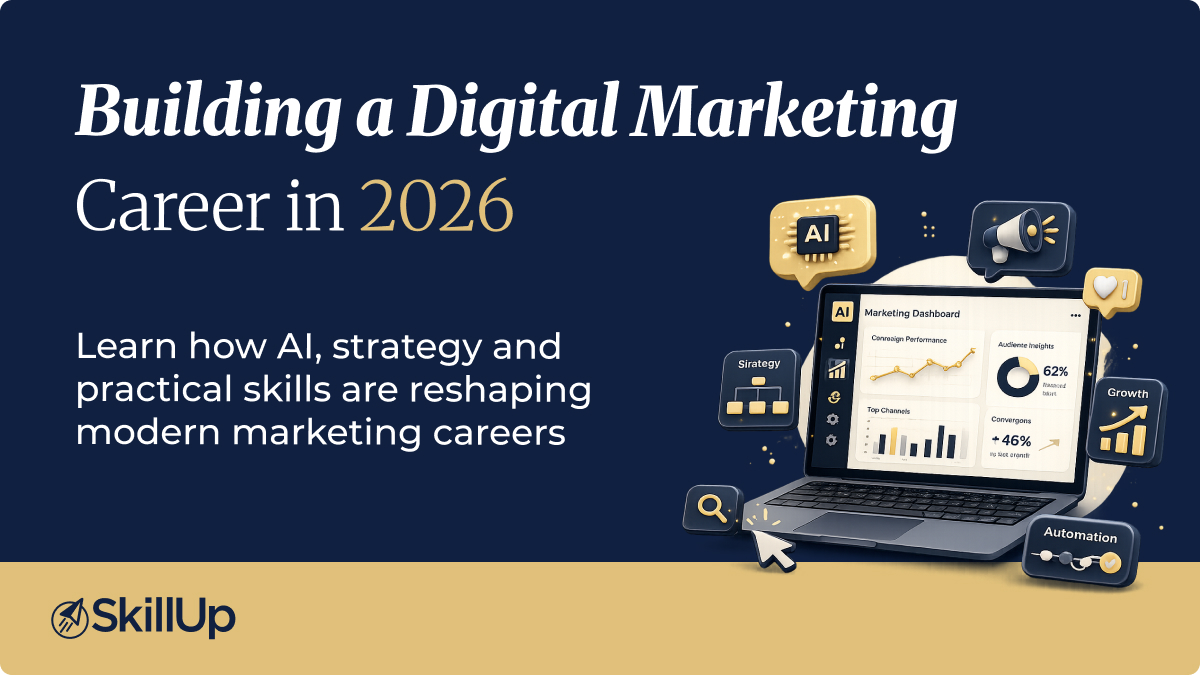
Algorithms are evolving faster than textbooks can be printed, making the “traditional” path to marketing no longer a strict hurdle. Professionals now regularly switch into this industry by honing specific technical abilities and showing what they can do. In this guide, we will go over the technical tools and strategic habits that will help you kickstart your digital marketing career.
Do You Actually Need a Degree for a Digital Marketing Career?
Companies value practical capabilities highly during the hiring process – that’s why the lack of a degree is no longer much of a hurdle for pursuing a digital marketing career. Today, building a strong portfolio carries significantly greater weight in the hiring process.
What Employers Are Really Looking For
Companies want to hire people capable of improving business metrics, interpreting data, and launching successful campaigns. But formal education rarely covers the specific software tools required in modern marketing. This is where a clear portfolio with actual campaign numbers, KPIs, and business impact carries a lot of weight in job interviews.
Why Mid-Career Professionals Have an Advantage Over Fresh Graduates
Candidates with a range of prior work bring helpful insights to marketing teams from their experience. These existing capabilities allow them to step into strategic positions quickly when learning digital marketing.
- They understand the nuances of client communication and project management
- Business operations feel familiar to them when pivoting into a digital marketing career
- They just have to layer some technical training on top of existing work history, through certifications or workshops
What’s Changing in Digital Marketing Right Now
The industry moves quickly and requires professionals to adapt to new software, so the answer to “how to start a career in digital marketing” is never constant. Today, many marketing professionals view artificial intelligence as the biggest factor changing their daily work.
AI and Automation Are Reshaping Marketing Roles
Artificial intelligence easily handles the most repetitive parts of white-collar jobs. AI can now manage basic advertising bids and email scheduling to save you from endless data entry.
Employers are actively looking for staff who understand overall strategy while using these new tools effectively. Because of this shift, professionals building their digital marketing career are being expected to oversee these systems and validate their outputs.
Digital Marketing Skills That Are Becoming More Valuable
Reading and understanding data is an incredibly common requirement in job postings. Employers actively look for candidates who can demonstrate the following capabilities:
- Reviewing campaign numbers to adjust marketing strategies accordingly
- Understanding consumer behavior to effectively set up automated systems
- Aligning technical software output directly with actual business goals
- Building strong analytical habits to keep your resume attractive to employers
The Cost of Not Upskilling
Technology advances rapidly in the marketing sector and relying solely on outdated workflows and tools makes professionals vulnerable during company restructuring. Learning new skills and tools can protect your job security.
- Acquiring new skills directly addresses concerns of falling behind due to emerging technologies
- Build a habit of reading weekly industry updates to stay aware of shifting consumer behaviors and platform algorithm updates
- Complete official platform certifications to signal your commitment towards continuous professional development to future employers
The Skills That Actually Matter
Focusing on the right technical abilities makes you an attractive candidate. Employers actively seek out people who can handle specific platforms and analyze the resulting data.
High Value Technical Skills (SEO, Paid Media, Analytics, AI Tools)
It is important to learn digital marketing techniques and technical skills that deliver immediate returns for businesses. You can focus your training on these core execution areas:
- Search Engine Optimization: Audit website pages for keyword opportunities and improve page structure to increase organic search traffic
- Paid Media Management: Launch targeted advertising campaigns on social networks and control daily budgets based on performance
- Data Analytics: Set up tracking codes to monitor visitor behavior and calculate the exact cost to acquire a new customer
- Generative AI Application: Write specific prompts for generative models to create draft copy and schedule content distribution
Strategic Skills That Move You Into Senior Roles
Leadership positions demand big picture thinking and planning marketing budgets across multiple channels. Moving into leadership roles also requires you to manage broader business objectives. So, senior marketers must develop the following strategic capabilities:
- Allocating marketing budgets effectively across different advertising channels based on performance data
- Connecting various marketing campaigns to see how they jointly improve the overall company revenue
- Planning long-term business goals to guide the daily execution work of your team
- Collaborating directly with sales and product departments to keep company messaging consistent
Skills to Prioritize Based on Your Career Stage
Your immediate training priorities depend entirely on your current experience level. Anyone wondering how to become a digital marketer should focus on learning new platforms and executing basic tasks. Plan your learning path according to these specific career stages:
- Beginners: Dedicate your time entirely to platform execution by learning how to launch advertisements and draft effective copy.
- Mid-Career Professionals: Focus heavily on data analysis capabilities to read campaign results and suggest improvements.
- Aspiring Leaders: Develop team leadership and project planning abilities as you gain confidence with technical tools.
Read More – 5 Email Marketing Careers in 2026: How to Get Started
Your Learning Options Without a Degree
Finding the right educational path depends heavily on your schedule and career goals. Learners often prefer structured programs featuring dedicated mentors, especially as 69.3% are juggling jobs with online education.
Free Resources vs. Structured Programs: What Works and What Doesn’t
Free videos and articles provide good introductory information that helps you understand basic terminology, but structured programs offer organized curriculums and direct feedback that makes you improve much faster.
- Professionals with full schedules do best with organized lessons when tackling difficult material.
- Following a set curriculum keeps you focused on useful topics and saves a lot of time when pursuing your digital marketing career.
Why Self-Paced Learning Falls Short
Studying completely on your own requires a lot of discipline, especially as a professional with responsibilities. Many people struggle to finish video courses without external motivation, peers, or accountability. You can improve your course completion rates using these strategies:
- Join study groups with other marketing students to maintain your weekly learning momentum
- Set strict personal deadlines for finishing specific course modules and executing practice campaigns
- Schedule regular check-ins with an industry mentor to review your progress and correct any technical mistakes early
Certifications Worth Adding to Your Profile (Google, HubSpot, Meta, SkillUp Online)
Industry-recognized credentials show employers your dedication to the field. Adding official certificates to your resume gives hiring managers clear proof of your software knowledge. You can focus on these specific platforms to build your professional profile:
- Google: Earning this credential proves you know how to track website data and run effective search campaigns directly on their platform.
- Meta: Completing this training shows you understand how to manage advertising budgets and target specific audiences across major social networks.
- HubSpot: Getting this certification demonstrates your ability to build inbound marketing strategies and organize customer data effectively.
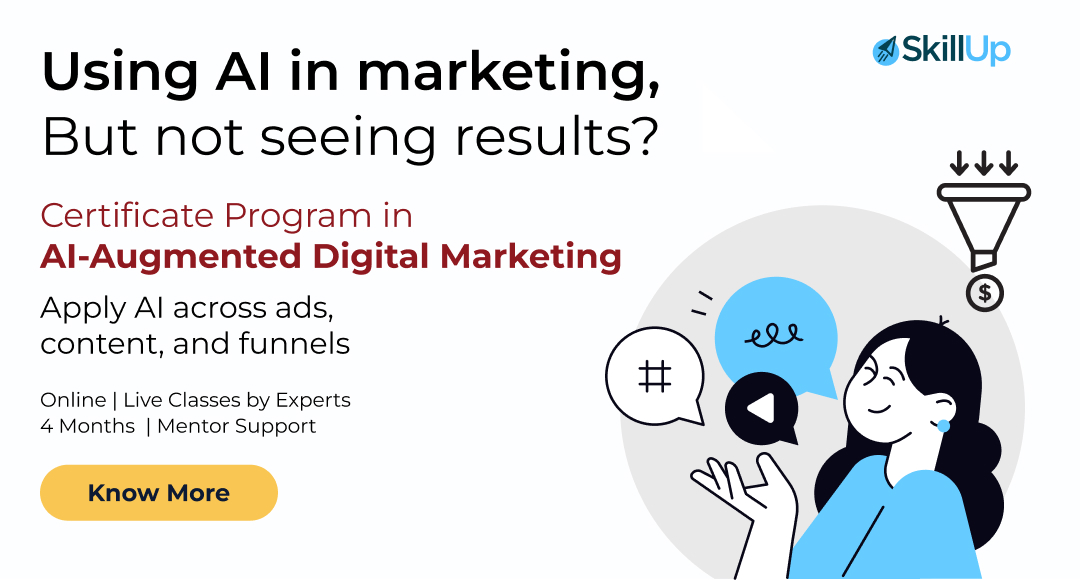
- SkillUp Online: You can complete the Certificate Program in AI Augmented Digital Marketing to master the exact technical capabilities and artificial intelligence tools companies require right now.
Building Experience That Translates to Career Growth
Building a portfolio shows companies exactly what you can do. You can start gathering this practical experience immediately through several reliable methods.
Applying New Skills in Your Current Role
Your current workplace offers a great environment to practice.
- Ask the marketing department if you can assist them with simple projects
- Offer to look over website traffic numbers or write some social content
Handling these small duties adds to your resume within the security of your regular role.
Freelance Projects That Build a Credible Portfolio
You can build a strong portfolio without waiting for official clients. Start gathering practical experience through these immediate project ideas:
- Run a small test advertising campaign with a personal budget of ten dollars to practice audience targeting and creative testing
- Grow a dedicated social media account around a specific interest by posting consistently and tracking the engagement analytics for sixty days
- Perform a free search engine optimization audit for a local business and present them with a professional report
Documenting Results Employers Actually Care About
Focus entirely on business metrics when building your portfolio and structure your case studies to highlight exactly what hiring managers want to see.
- Define the initial objective and target audience clearly before showing any creative materials
- Explain the specific tools and platforms you used to execute the strategy
- Display the final performance metrics such as click-through rates and total conversions to prove your financial impact
Making Your Move: Roles, Salaries, and Timelines
Understanding available job titles helps you target your applications effectively. You can plan your transition better when you know what to expect regarding compensation and time commitments.
Roles Open to Professionals Switching Into Digital Marketing
Many entry-level and mid-level positions welcome career switchers.
- Apply for Paid Media Coordinator if you enjoy managing budgets and analyzing numeric trends
- Look for Content Marketing roles if you excel at writing and understanding audience psychology
- Seek out SEO Specialist positions if you prefer technical troubleshooting and website optimization
Realistic Salary and Career Growth Expectations
Starting salaries vary based on your location and previous experience.
| Role Title | Experience Level | Focus Area | Average Salary |
|---|---|---|---|
| Marketing Coordinator | Entry Level | Campaign Execution | $40,000 to $80,000 |
| Social Media Coordinator | Entry Level | Social Content and Engagement | $45,000 to $60,000 |
| Content Marketing Specialist | Entry to Mid Level | Blog, Email, and Website Content | $47,000 to $94,000 |
| SEO Specialist | Mid Level | Organic Search Strategy | $40,000 to $125,000 |
| Digital Marketing Manager | Mid Level | Digital Platform Marketing Strategy | $97,000 to $177,000 |
| Email Marketing Specialist | Mid Level | Email Campaigns and Automation | $58,000 to $99,000 |
| Paid Media Manager | Mid Level | Advertising Budgets | $75,000 to $130,000 |
| Head of Growth | Senior Level | Acquisition, Retention, Revenue Growth | $125,000 to $230,000 |
| Marketing Director | Senior Level | Overall Strategy | $72,000 to $210,000 |
How Long the Transition Actually Takes
Finishing a proper training program generally requires a few months of steady work. Building a portfolio requires an additional few months of practical work. A complete switch into the field normally happens within six to twelve months. Working on your skills every day helps you reach that goal much faster.
Positioning Yourself to Get Hired or Promoted
Presenting your background properly grabs the attention of hiring managers. A few strategic updates to your professional profiles go a long way.
Updating Your Resume and LinkedIn Without a Degree
Optimize your public presence using these techniques:
- Add a Key Expertise section at the top of your resume listing skills mentioned in your target job descriptions
- Remove older skills from your LinkedIn that no longer align with your new digital marketing career
- Pin your three strongest marketing capabilities to the top of your LinkedIn skills
Networking Strategies for Busy Professionals
Look for active marketing groups on professional networking sites that can help when you’re switching into marketing. Meeting people often unlocks job postings before they go public.
- Join conversations happening around new industry updates
- Message experienced professionals to ask for a short chat about their work
Talking About Self-Directed Learning in Interviews
Not having a formal marketing education does not always have to be a hurdle. A lot of companies appreciate applicants who manage their own learning and education. In interviews, describe the process you used to learn digital marketing and related software. Talk openly about the exact assignments you completed and show them your plan to keep updating your skills over time.
Choosing the Right Digital Marketing Program
Your choice of program heavily influences your future job prospects. Learners should select their courses based on a few important things to look for.
Questions to Ask Before You Enroll
- Ask how relevant the curriculum and classes are to available jobs and the general direction of the industry
- Check if the syllabus involves actual campaign practice alongside the theory
- Find out how often you will speak with the teaching staff
What Good Mentorship and Support Looks Like
Effective mentorship goes beyond basic instruction by offering personalized guidance on your career transition. Good mentors help you understand the daily realities of the role and ensure your technical execution meets professional standards. Identify a digital marketing course that offers the right support system:
- Confirm that you will receive accurate feedback on your work
- Ensure you have a cohort of industry professionals who can give you deep insights
- Look for instructors who currently work in the field and understand modern agency requirements
Understanding Costs, Installments, and ROI
Educational platforms frequently offer monthly installment plans to ease financial pressure. Make a smart financial decision by reviewing these factors:
- Calculate the potential salary increase of your new role against the total cost of the course
- Review the specific financing plans to find a comfortable plan that fits your budget
- Confirm if the program offers a clear refund policy to reduce your initial financial risk
Read More – What Is a Digital Marketing Specialist? Skills, Salary, and How to Become One

SkillUp Online