Fraud, Waste, and Abuse (FWA) is more than just a compliance requirement. It’s a real threat to patient safety, financial stability, and trust in the healthcare system. False claims, improper billing, and unnecessary services place a heavy burden on organizations, and the U.S. healthcare system loses billions of dollars every year because of FWA. Beyond the financial impact, these practices can compromise the quality-of-care patients receive. That’s why every healthcare organization needs strong and consistent FWA training.
What counts as FWA?
Fraud
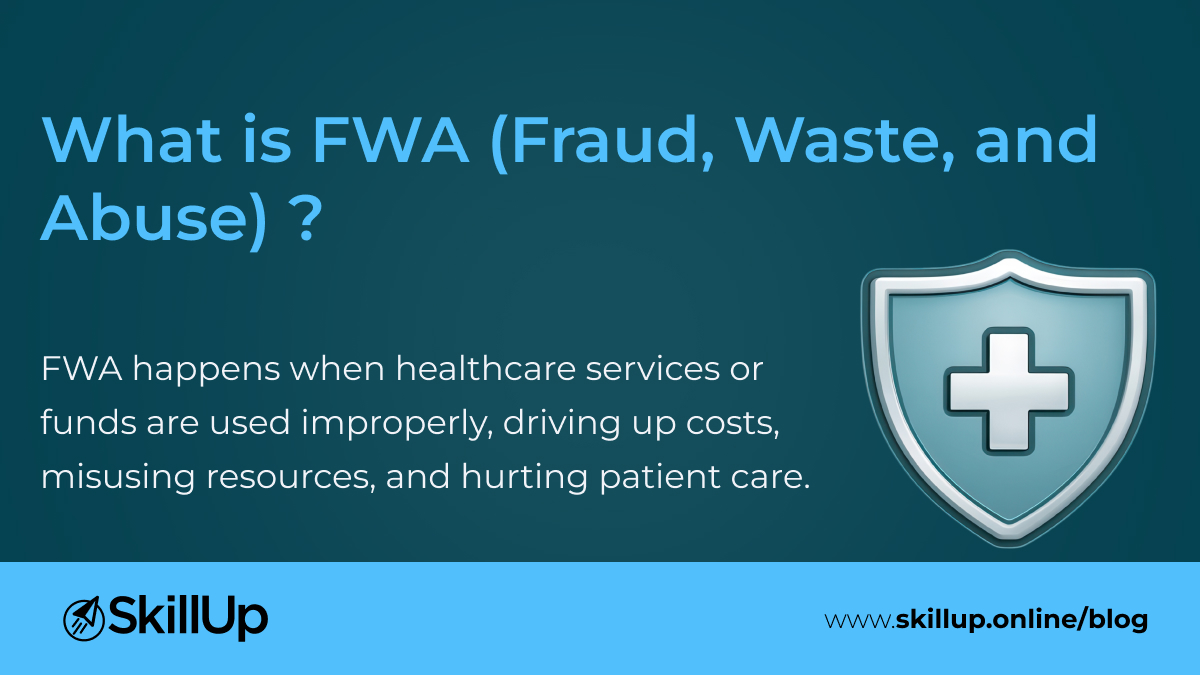
Fraud involves intentionally submitting false claims or misrepresenting information to receive payment for services that should not be reimbursed. It also includes offering, receiving, or soliciting payments to encourage or reward referrals for services paid by government programs.
Waste
Waste occurs when services or resources are overused, leading to unnecessary costs. Examples include ordering tests that aren’t clinically needed or prescribing more medication than appropriate.
Abuse
Abuse includes practices that don’t align with accepted medical or business standards and result in avoidable costs. This may involve providing services that aren’t medically necessary or failing to meet recognized standards of care.
Protecting Patients and the Bottom Line
Effective FWA prevention isn’t just about saving money. By reducing fraudulent claims and unnecessary services, organizations can channel resources into improving patient outcomes, expanding access, and keeping overall costs in check.
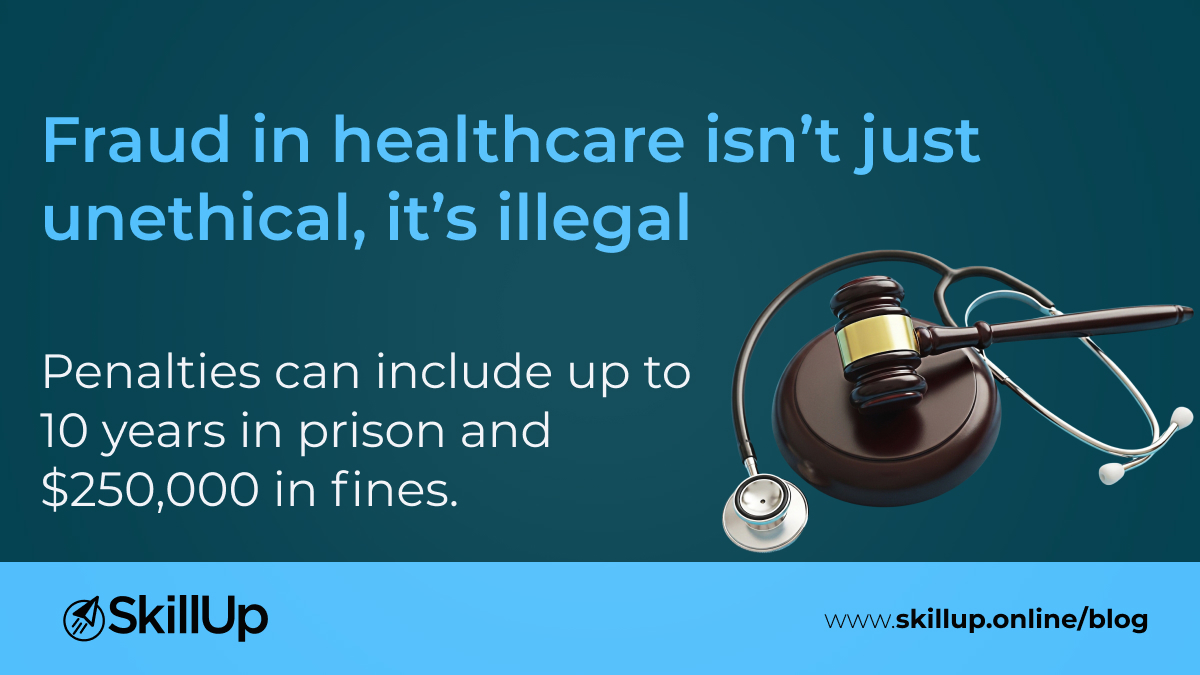
The consequences of healthcare fraud can also be severe: penalties can include up to 10 years in prison and fines of up to $250,000.
Why FWA training is essential
Strong FWA training helps employees spot and stop issues before they escalate. Well-trained staff can:
- Identify suspicious billing patterns
- Recognize potential kickbacks
- Notice unusual patient activity
- Understand when and how to report concerns—without fear of retaliation
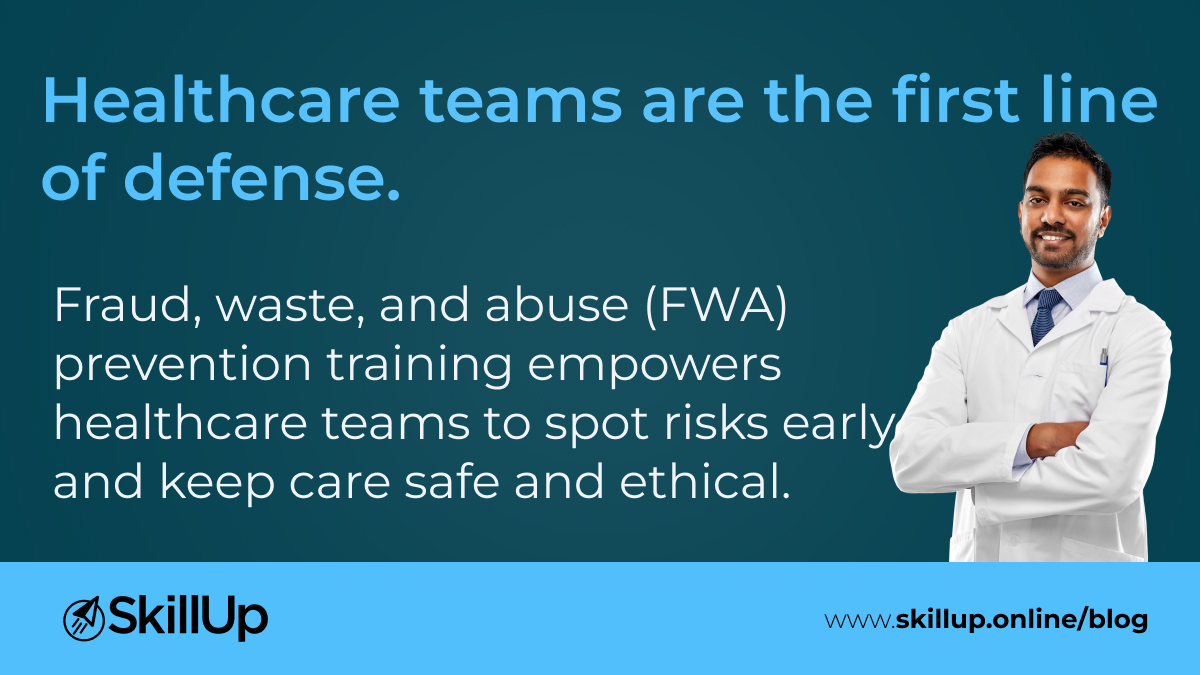
Training also ensures compliance with state and federal regulations, making it clear that everyone, from clinical teams to leadership, plays a part in maintaining the integrity of the healthcare system.
A shared responsibility
FWA damages patients, drains resources, and erodes public trust. Preventing it requires awareness and action across the entire organization. Frequent, well-designed FWA training builds a workforce that understands how to identify and report potential issues.
By investing in FWA training, healthcare organizations protect their patients, their teams, their reputation, and the overall health of the system.

Compliance Training Expert
SkillUp