A data scientist uses data to help organizations answer complex questions, test ideas, and make better decisions. The role combines statistics, mathematics, programming, and machine learning, but the work is not limited to building models.
So, what is a data scientist? A data scientist uses statistics, mathematics, programming, and machine learning to solve problems with data. Their work can involve finding patterns, testing ideas, building models, and helping organizations make better decisions about customers, products, operations, and risk.
In practical terms, what is a data scientist beyond someone who analyzes data? The role often involves starting with a business or technical problem, determining what data can help address it, choosing the right analytical approach, and communicating what the results mean.
Data science overlaps with data analytics, but it often involves more advanced statistics, experimentation, machine learning, and problems where the path to an answer is less clearly defined.
What Does a Data Scientist Do?
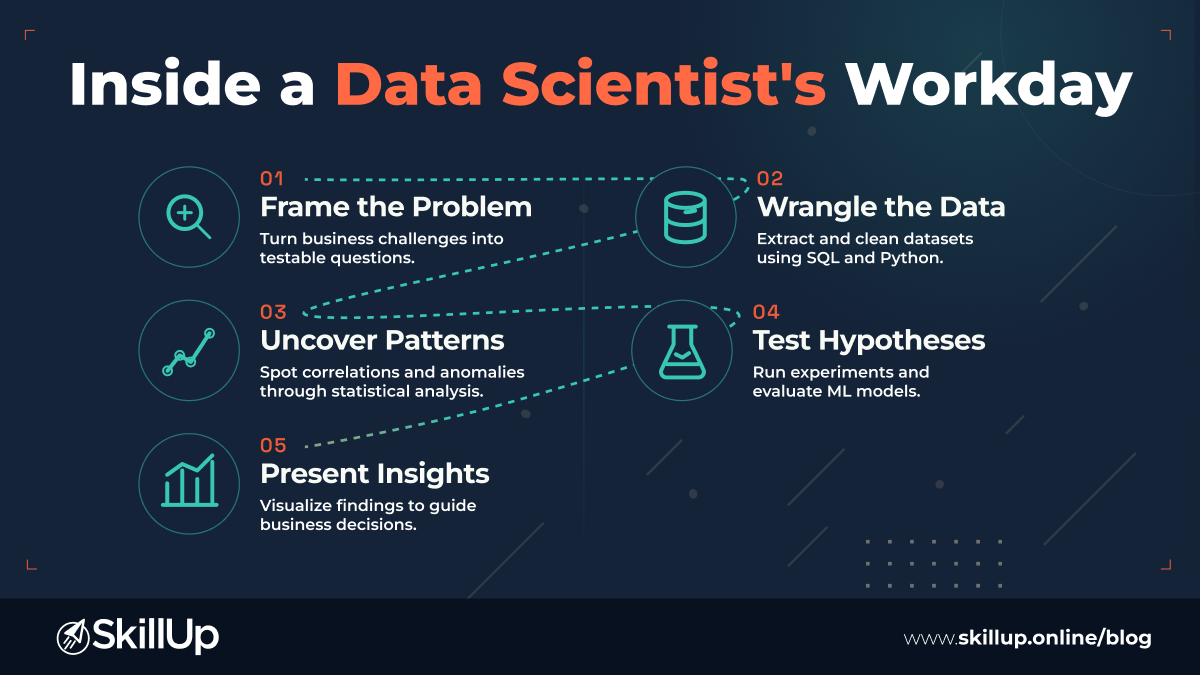
A data scientist typically works through a process that connects a business problem to a data-backed decision. The exact work varies by project, but the overall flow can be summarized as:
- Business question: A project starts with a problem that needs to be answered. The data scientist clarifies what the organization wants to understand or improve and determines what information could help.
- Data: Relevant data is collected, cleaned, combined, and prepared for analysis. This can involve working with databases, customer records, surveys, application data, or other sources.
- Analysis: The data scientist looks for patterns, relationships, and unusual results. Depending on the problem, they may use statistical analysis, experiments, or machine learning to test ideas and develop useful insights.
- Decision: The findings are communicated to technical and business teams, along with important limitations. The goal is to help stakeholders understand what the data shows and how it can support a practical decision.
This gives a clearer picture of what does a data scientist do day to day. The work is not limited to building machine learning models. A good data scientist chooses the method that fits the problem, whether that means statistical analysis, experimentation, or machine learning.
How Is Data Science Different from Data Analytics?
Data analysts and data scientists share many of the same foundations. Both may work with SQL, statistics, data preparation, visualization, and business questions. Both can investigate trends and explain findings to stakeholders.
The distinction is more about the depth and nature of the work than a simple “analysts describe, scientists predict” split.
| Data Analyst | Data Scientist |
|---|---|
| Often works with business and operational data | Often works on broader or less structured problems |
| Analyzes trends and performance | May use statistical modeling and machine learning |
| Creates reports, dashboards, and analyses | May design experiments or develop models |
| Uses statistics and data preparation | Typically needs deeper statistical and modeling knowledge |
| Focuses on answering business questions with available data | May help define the problem and determine the best analytical approach |
There is plenty of overlap. An analyst may use statistical techniques or build forecasts, while a data scientist may spend considerable time performing exploratory analysis. The difference is usually the level of statistical and technical depth required and the complexity of the problems being addressed.
For someone considering data scientist jobs, experience in analytics can therefore provide a useful foundation rather than being a completely separate path.
Data Scientist Salary and Job Outlook
A data scientist salary can vary significantly based on location, experience, industry, employer, and the scope of the role. Current U.S. salary data from Indeed puts the average base salary at around $130,000 per year, based on salaries from job postings over the previous 36 months. This is a market estimate, not a guaranteed starting salary.
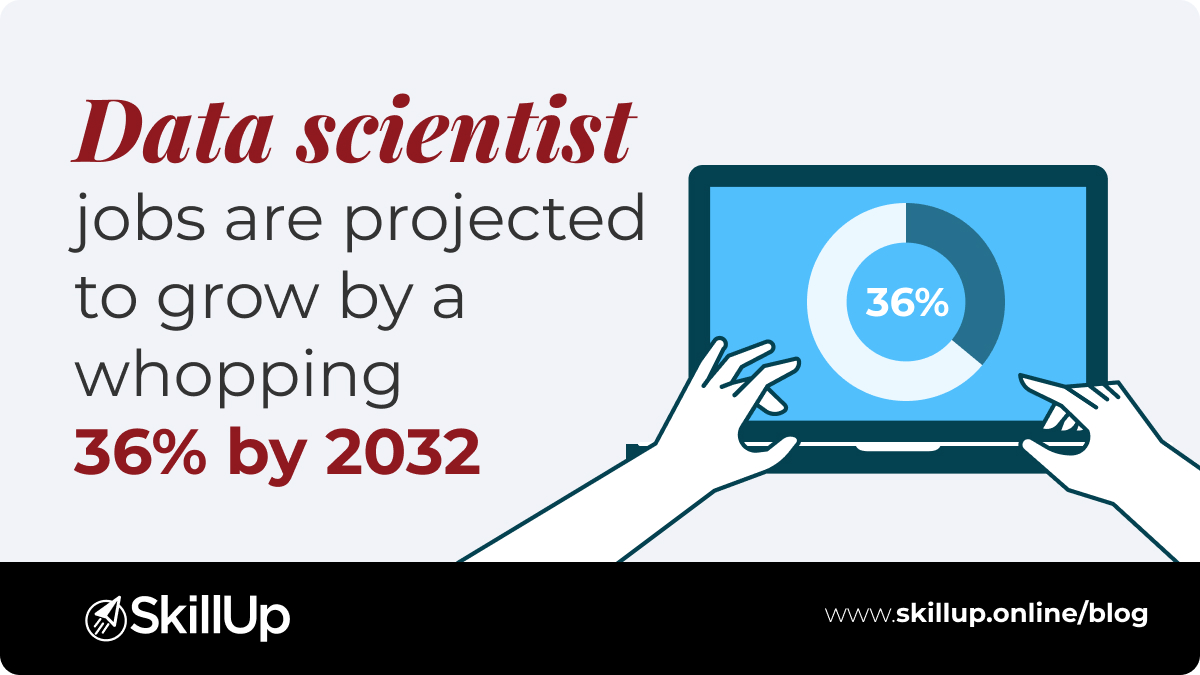
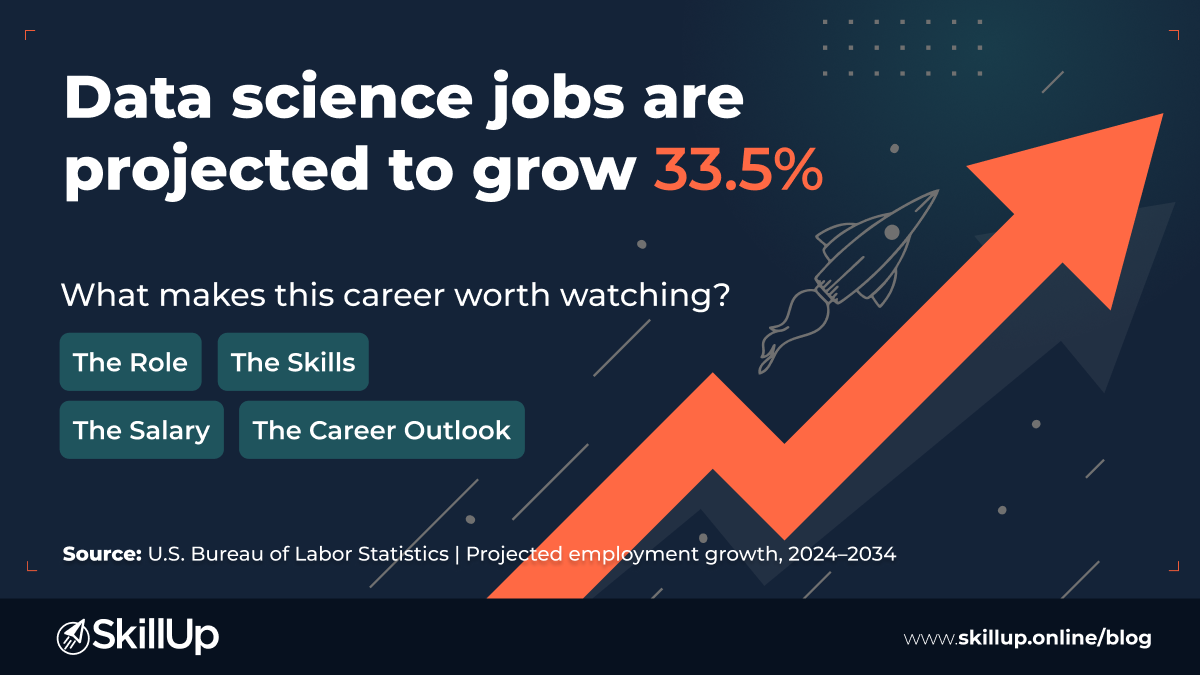
The employment outlook is also strong. The latest U.S. employment projections show data scientist employment growing by 33.5% between 2024 and 2034, with about 82,500 additional jobs projected over that period.
These figures point to continued demand for data science talent, but they should be viewed in context. A strong data scientist salary range or employment outlook does not mean every learner will immediately qualify for these roles. Employers can have very different expectations around education, technical skills, experience, and industry knowledge.
For people researching data scientist jobs, it is worth looking beyond salary figures and considering the skills and experience employers expect for the specific roles they want to target.
What Data Scientist Skills Do You Need?
The right data scientist skills go beyond knowing a programming language or machine learning library. You need a mix of technical knowledge, problem-solving ability, and communication skills.
Statistics and Mathematics
You should understand basic concepts like probability, averages, patterns, and how to check if a result is reliable. These skills help you make better decisions from data.
Programming and Data Work
Python and SQL are commonly used in data science. You should know how to clean, organize, analyze, and visualize data. Tools like pandas, NumPy, and scikit-learn can help with this work.
Machine Learning
Machine learning helps you use data to make predictions, find patterns, and support decisions. It’s more important to understand when and why to use a model than simply knowing how to run one.
Communication and Problem-Solving
Data scientists also need to explain their findings in simple terms. Being able to understand a problem, find useful insights, and communicate with them clearly is just as important as technical skills.
How to Become a Data Scientist
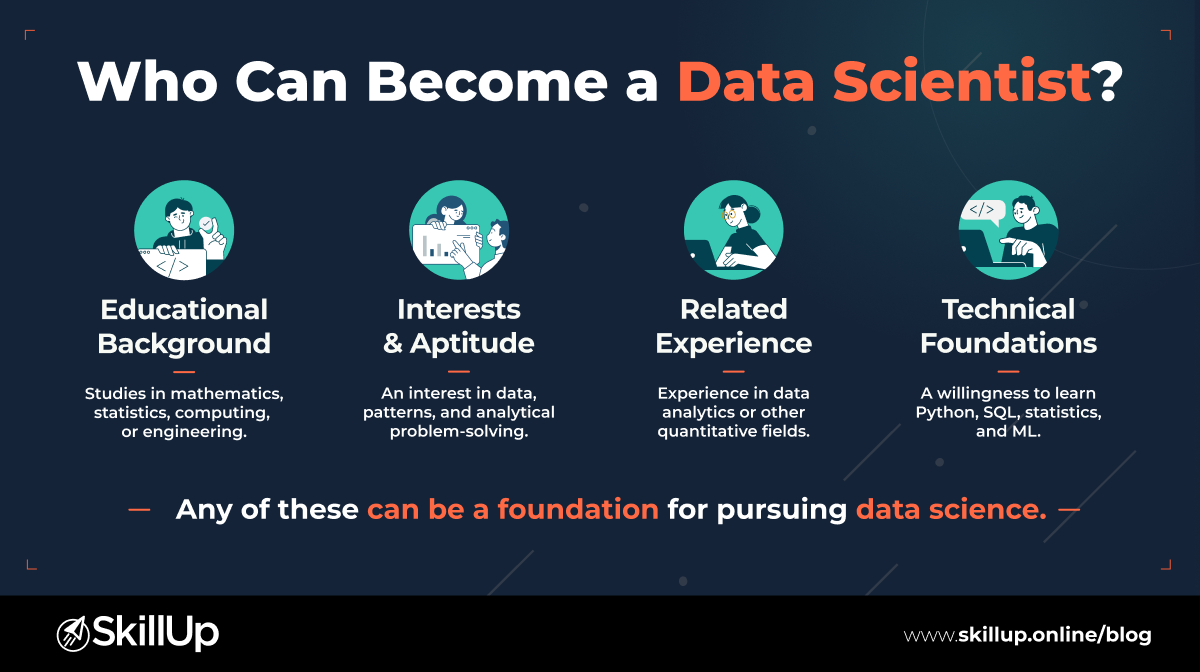
There is no single route for how to become a data scientist. Some people enter the field with degrees in computer science, statistics, mathematics, engineering, or another quantitative discipline. Others build relevant skills through professional training, projects, and experience in related data roles.
A practical path can look like this:
1. Build a foundation in statistics and programming
Start with statistics, basic mathematics, Python, and SQL. These skills make it easier to understand more advanced data science concepts later.
2. Move into data science and machine learning
Once the fundamentals are comfortable, study data cleaning, exploratory analysis, visualization, statistical modeling, and machine learning. Focus on understanding the reasoning behind each method, not just memorizing code.
3. Work on practical projects
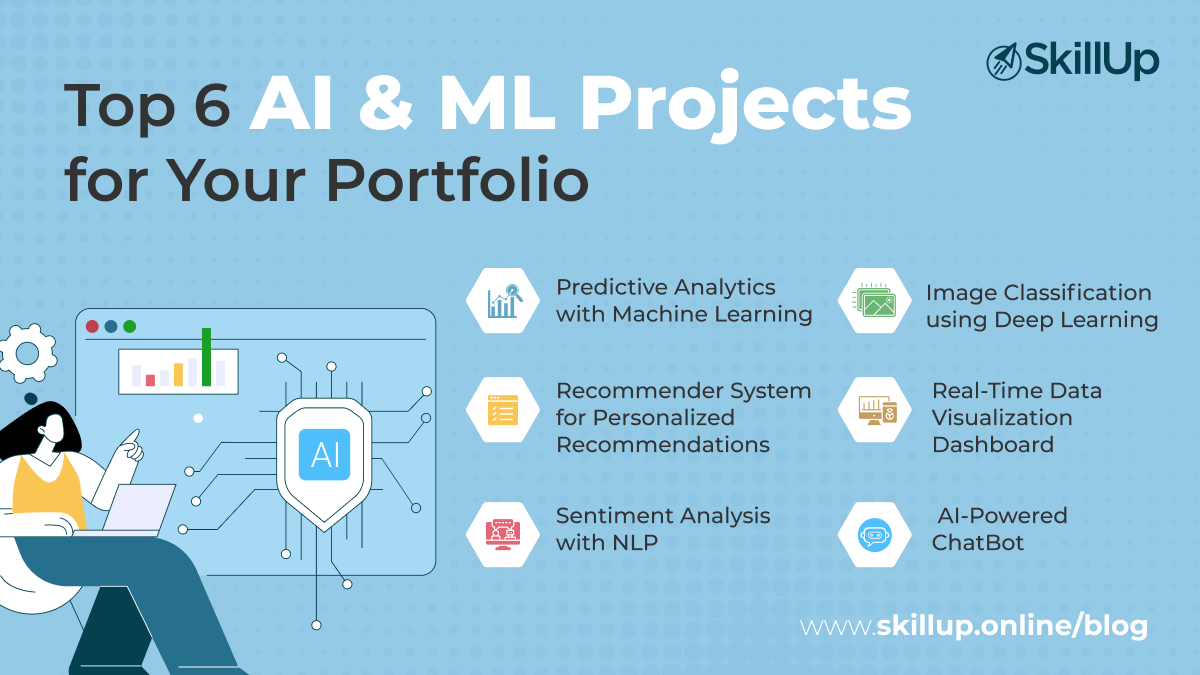
Projects give you a chance to apply concepts to realistic problems. Build a portfolio that shows how you worked with a dataset, selected an approach, evaluated the results, and communicated your findings.
Platforms such as GitHub can help document your work and make it accessible to potential employers. A portfolio, however, is one part of a job search and does not replace relevant experience or qualifications.
4. Add a professional credential
Structured training can provide a clear path through technical foundations and give learners a way to demonstrate completed coursework. For beginners, a professional certificate can be one part of how to become a data scientist, but it should not be treated as a guarantee of employment.
With several learning paths available, the right program depends on your current experience, technical background, and career goals.
Is the IBM Data Science Professional Certificate a Good Starting Point?
For someone starting from the basics, the IBM Data Science Professional Certificate provides structured training across several areas used in data science.
IBM states that the program does not require prior programming or computer science experience, making it accessible to beginners.
The program also gives learners opportunities to work on practical tasks and apply what they learn through hands-on projects.
However, the certificate is a starting point, not a guarantee of data scientist jobs. Learners still need to practice their skills, build relevant projects, gain practical experience where possible, and understand the requirements of the roles they want to target.
Frequently Asked Questions
1. How do you become a data scientist?
To understand how to become a data scientist, start with statistics, programming, SQL, and data analysis, then build machine learning knowledge through practical projects. A degree, professional certificate, or related work experience can be part of the path, depending on the roles you target.
2. Do you need a master’s degree or PhD to become a data scientist?
Not necessarily. Requirements vary by employer and position. Some roles can be accessible with a bachelor’s degree and strong technical skills, while more specialized positions may prefer advanced degrees or deeper research experience.
3. What is the main difference between a data analyst and a data scientist?
Both roles work with data and share several skills. Data science generally involves greater depth in statistics, experimentation, machine learning, and solving less structured problems, although responsibilities vary across organizations.
4. Can you become a data scientist without prior experience?
You can begin building data science skills without previous professional experience, but becoming competitive for data scientist jobs usually requires more than completing a course. Projects, technical practice, relevant experience, and individual employer requirements all matter.

SkillUp Online